Efficient Pre-Planting Management for Ginger Film Mulching Cultivation

Preface
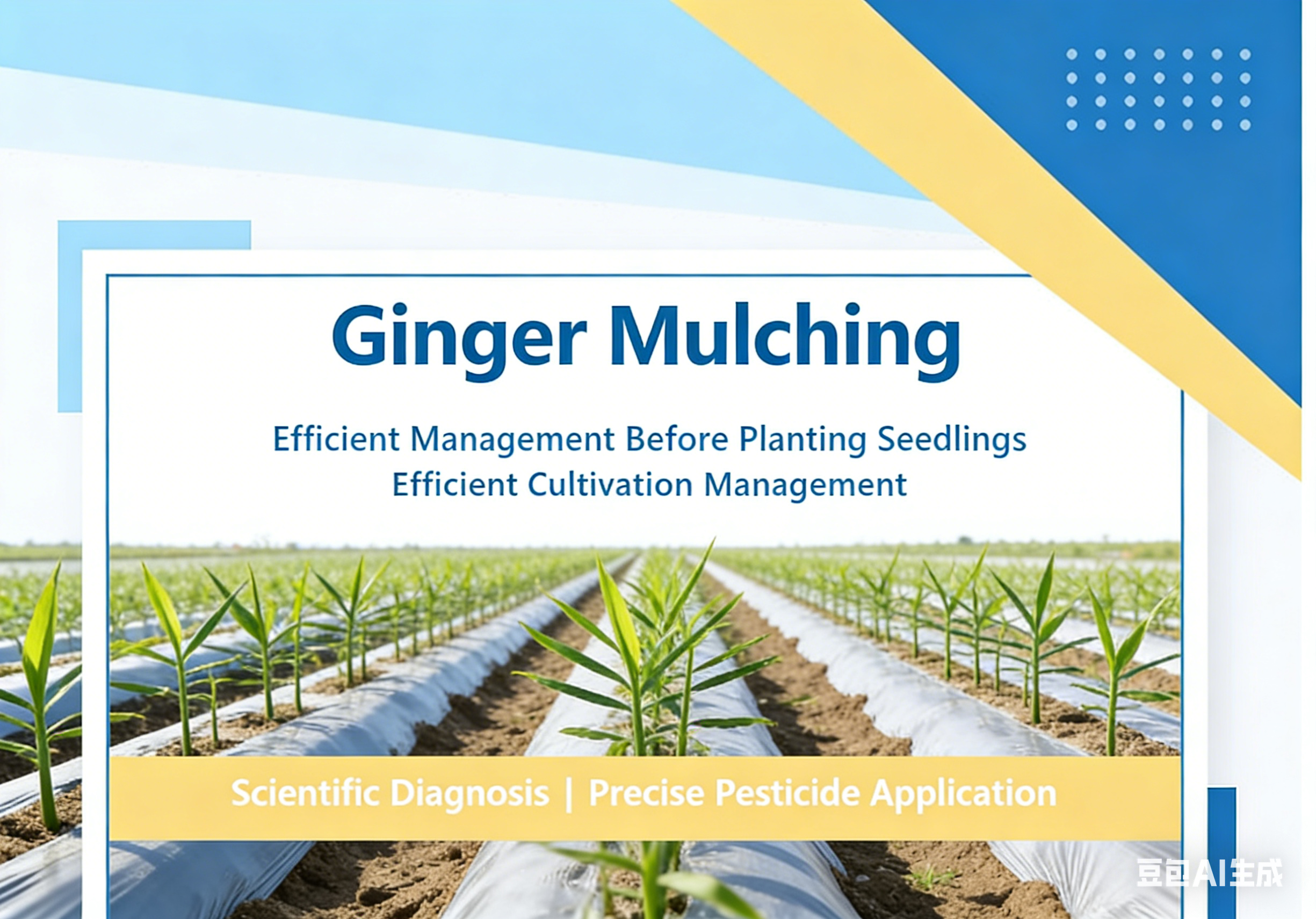
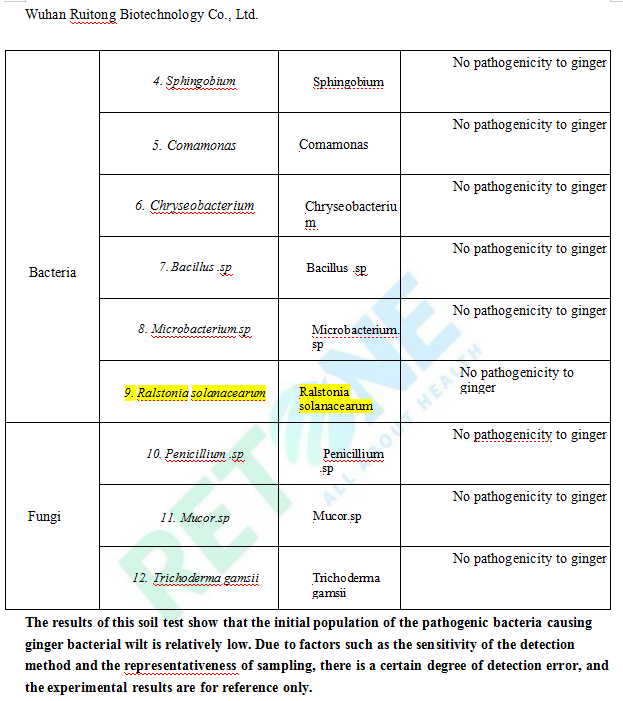
Ginger cultivation with film mulching primarily relies on plastic films or greenhouse films to raise soil temperature and retain moisture, thereby accelerating the germination of ginger rhizomes. However, it still takes approximately 20 days for successful seedling emergence after sowing. These 20 days represent a critical period for the radicle germination and bud differentiation of ginger rhizomes. During this phase, the nutrient reserves within the rhizomes can temporarily sustain growth. The core of management focuses on regulating the soil water and fertilizer environment to prevent seed rot and bud suffocation. Meanwhile, it is essential to preemptively block the infection routes of Fusarium root rot and ginger bacterial wilt (caused by Ralstonia solanacearum). The goal is to achieve uniform, robust, and disease-free seedlings during the early growth stage, laying a solid foundation for high yield in the later stages.
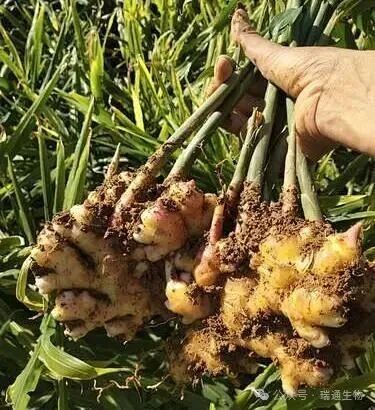
01 Water and Fertilizer Management in the 20 Days Before Seedling Emergence
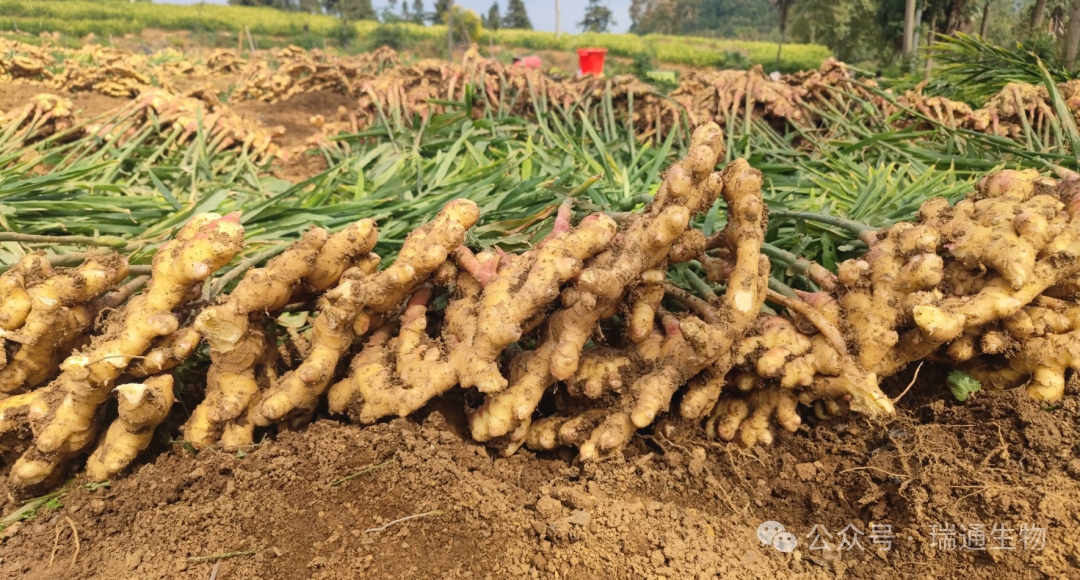
Film-mulched cultivation features strong soil water retention. The core principle of water and fertilizer management is: irrigate only when the soil is dry, prohibit the application of quick-acting fertilizers, maintain the soil in a moist (not waterlogged) state, and avoid seed burn caused by waterlogging and bud rot induced by low temperature. Specific operations shall be implemented in stages:
01 Water Management/No Waterlogging
On days 1–10 after sowing (early germination stage), the ginger seed pieces have just been planted, and sufficient initial soil moisture is critical.
For fields that were fully irrigated at sowing, no additional irrigation is needed throughout this period. The plastic mulch effectively retains soil moisture and maintains a suitable soil temperature of 15–25°C to promote sprouting.
If the soil is highly sandy and lacks sufficient baseline moisture — 表现为地表 5–10 cm soil is cracked and cannot be formed into a ball when squeezed — apply water via drip irrigation or light, small-volume watering, only moistening the soil around the seed pieces.
Avoid flood irrigation to prevent oxygen deprivation and rot of ginger seed pieces caused by excess water. At the same time, avoid lowering soil temperature, which would delay germination.
Days 11–20 after sowing (pre-emergence stage)
The buds are about to break through the soil, and soil moisture should be maintained at 60%–70%. Observe the inside of the mulch regularly: if there is no dew inside the film and the soil surface turns white, light supplementary irrigation can be applied in the morning when temperatures are suitable. Seal any gaps in the mulch promptly after irrigation to maintain stable temperature and humidity inside the film.
In case of continuous rainy weather, clean field drainage ditches in advance to ensure no water accumulates in the ridges. Prevent rainwater from seeping under the mulch, which would lead to excessive soil moisture, seed rot and disease development.
02 Zero Topdressing as Primary Practice, Supplemented by Biological Bacterial Fertilizer
During the first 20 days before ginger emergence, nutrients stored in the seed ginger are fully sufficient to support the growth of young buds and radicles.Topdressing with quick-acting chemical fertilizers such as urea and compound fertilizer is strictly prohibited to avoid root and bud burn caused by high fertilizer concentration.
For continuous cropping fields or soils with poor fertility, biological bacterial fertilizer can be applied in the basal fertilizer furrow at sowing, together with decomposed organic fertilizer. This practice not only improves soil aggregate structure but also cultivates beneficial microbial communities, inhibits the reproduction of harmful pathogens, and provides mild nutrients for ginger germination to promote robust radicle growth. No additional topdressing is required.
02 Control of Fusarium Root Rot
Fusarium root rot is caused by Fusarium fungi. Under film-mulched cultivation, high soil moisture and fluctuating soil temperature can easily lead to infection through wounds on seed ginger, causing seed rot and young root necrosis, which directly affects seedling emergence.
Prevention and control follow an integrated strategy: ginger seed disinfection + soil treatment + under-film environmental regulation, with prevention as the top priority throughout the process.
01 Ginger Seed Treatment: Cut off pathogens at the source
Strictly select seed ginger that is disease-free, wound-free and rot-free before sowing.In the traditional method, seed ginger is soaked in warm water at 40–50°C for 15 minutes with continuous stirring to ensure even heating, then air-dried and soaked in a 500-fold dilution of 50% carbendazim wettable powder; however, its control efficacy is relatively poor.
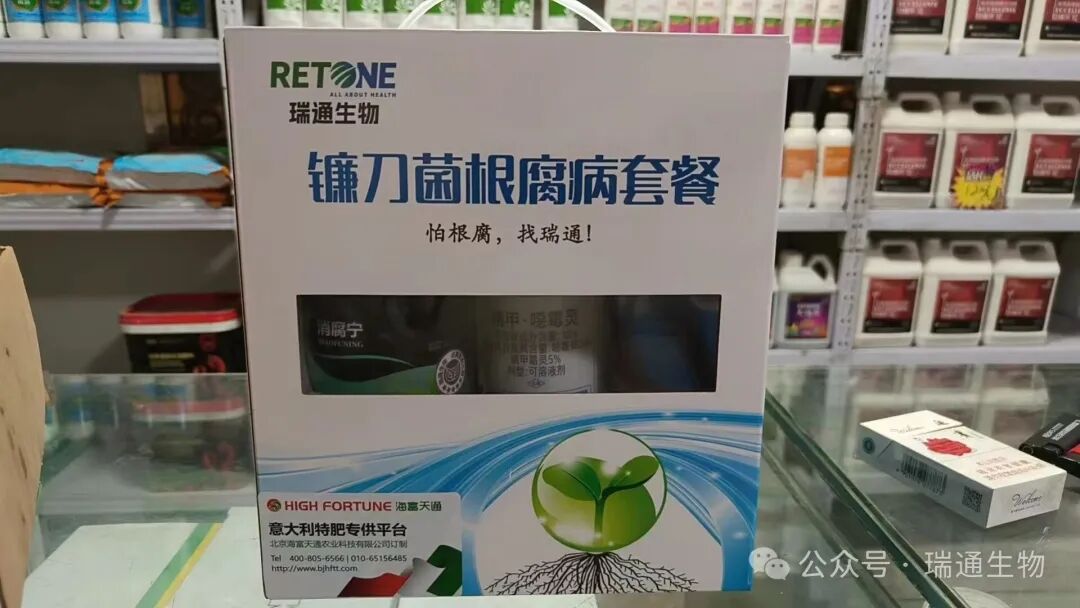
It is recommended to adopt the Ruitong Bio-phage program “Xiaofuning Plus” for seed soaking or furrow spraying to completely eliminate Fusarium on the surface of seed ginger. Sow only after air-drying to avoid planting with pathogens.
02 Soil Disinfection: Optimize the soil environment
10–15 days before planting, deeply plow the field. During land preparation, apply 50–70 kg of quicklime per mu to adjust soil pH and inhibit the reproduction of Fusarium.
Alternatively, apply the Ruitong Bio-phage program “Xiaofuning Plus” by spraying in planting furrows. Mix well with soil before placing seed ginger. Beneficial microorganisms will occupy the soil ecological niche and inhibit Fusarium from infecting ginger roots.
03 Field Management: Reduce conditions for disease occurrence
After mulching, keep the under-film soil loose and breathable to avoid waterlogging.If individual seed ginger shows slight rot, promptly break the mulch and remove the diseased plants. Treat the diseased holes with “Xiaofuning Plus” to prevent pathogen spread.
Foliar fertilizer application is not recommended at this stage to reduce mechanical damage to seed ginger and lower infection risk.
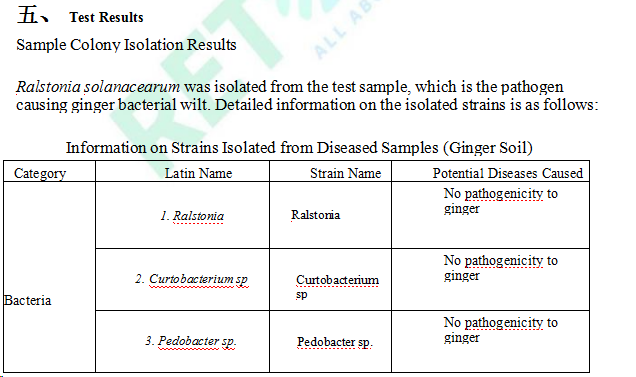
03 Prevention and Control of Ginger Bacterial Wilt
01 Strict Disinfection of Ginger Seed
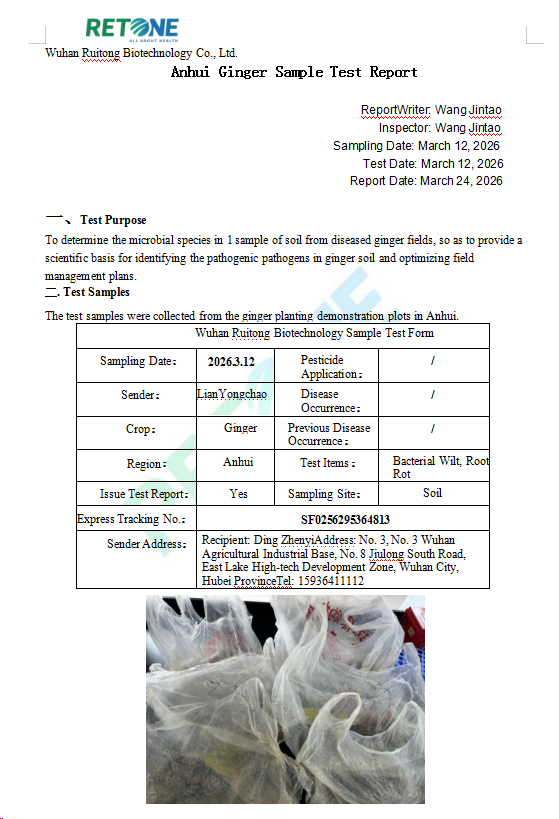
After seed selection, in addition to warm water soaking, the Ruitong biological phage program “Xiaoqingning Plus” can be used to kill Ralstonia solanacearum carried on ginger seeds.Thoroughly air-dry the seeds after soaking before sowing. Sowing with wet seeds is strictly prohibited to avoid rapid pathogen multiplication in humid conditions.
02 Water and Soil Resource Management
The pathogen of ginger bacterial wilt can spread through stagnant water and irrigation water.Good field drainage must be prepared before planting. Adopt raised-bed film mulching cultivation with a ridge height of 25–30 cm to ensure rapid drainage of rainwater and irrigation water without accumulation on the ridge surface.
Priority should be given to drip irrigation; flood irrigation is forbidden to prevent cross-flow of water between different plots and pathogen spread via water.
During land preparation, apply decomposed bio-organic fertilizer plus silicon-calcium fertilizer at 50–70 kg per mu to improve soil aeration and soil microenvironment, and inhibit the survival of bacterial pathogens.
03 Preventive Application After Sowing
Around 10 days after sowing, when the temperature and humidity under the mulch become stable, apply the Ruitong biological phage program “Xiaoqingning Plus” by gently drenching the soil along the planting furrows, focusing on the area around the ginger seeds.Extensive drenching by breaking the mulch is unnecessary. This practice can kill latent Ralstonia solanacearum in the soil without disrupting the temperature and humidity under the film.
Once diseased plants are found, immediately dig them out with their roots, take them out of the field for deep burial or incineration.Quicklime plus zinc thiazole should be applied to the diseased holes and surrounding soil for sealing to prevent pathogen spread.
04 Comprehensive Management Notes
01 Film Mulching for Temperature and Moisture Control
Ensure the plastic film fits tightly against the ridge surface without damage or air leakage to prevent weed growth and nutrient competition, while maintaining stable temperature and humidity under the film.The optimal soil temperature is 20–28°C. If it exceeds 30°C, puncture the film in time for ventilation and cooling.
02 Ridge Protection and Seedling Care for Germination
Minimize foot traffic in the field before seedling emergence to avoid soil compaction caused by trampling on ridges, which would hinder buds from breaking through the soil.
03 Biological Control for Reduced Pesticide Use
For disease management, rotate fungicides and bactericides and avoid using a single agent to prevent pathogen resistance.Prioritize biological control + physical prevention throughout the period to reduce chemical pesticide application.Depending on the pathogenic bacteria present in the field, the phage programs “Xiaoqingning Plus” or “Xiaofuning Plus” can be selected.
Summary
During the first 20 days before seedling emergence under film-mulched ginger cultivation, the core of water and fertilizer management is moisture control and temperature maintenance, while the key to disease prevention is source prevention and transmission blocking.
By strictly controlling temperature and humidity, and properly disinfecting ginger seeds and soil, seed rot can be effectively avoided, smooth germination ensured, and robust seedlings cultivated.