What are the core requirements for soil conditions for ginger cultivation?

What are the core soil requirements for ginger cultivation?
Preface
As a typical crop that requires high fertilizer input, is sensitive to waterlogging and sensitive to continuous cropping, ginger’s emergence rate, yield and commercial quality are directly determined by soil quality. Strict control of the following standards is required—from soil physical and chemical properties and nutrient content to pathogen control—to lay a solid foundation for ginger growth.
Soil Physical and Chemical Conditions: Meeting the Basic Requirements for Growth
01 Soil Texture and Structure
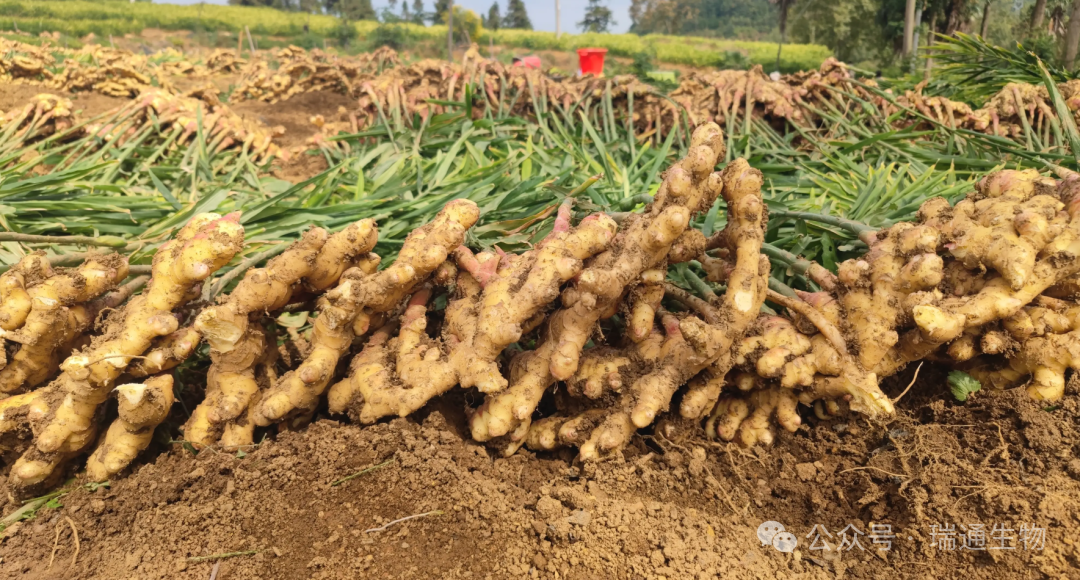
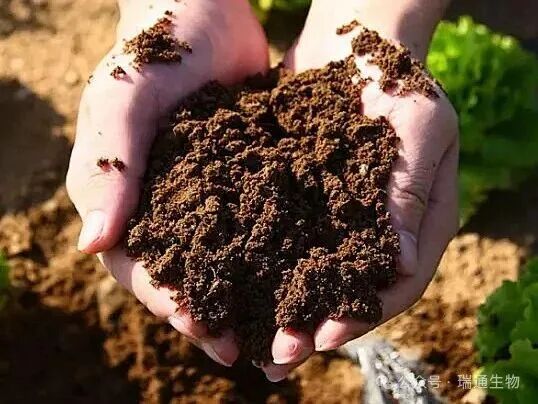
Ginger is suitable for cultivation in medium loam or sandy loam soil with a deep soil layer, loose and aerated structure, and strong water and fertilizer retention capacity. The soil pH should be controlled at 6.0-7.5 (slightly acidic to neutral).
Sandy loam features excellent aeration, which is conducive to the respiration and downward penetration of ginger seed roots, preventing root rot and uneven emergence caused by soil compaction. For heavy clay soil, it is necessary to incorporate decomposed straw and coarse sand in advance to improve aeration. Saline-alkali soil (pH > 7.8) is prone to causing bud burn in ginger seeds and leaf yellowing; therefore, humic acid and organic fertilizers should be applied to improve soil structure and reduce saline-alkali damage.
02 Soil Moisture and Drainage
The optimal soil moisture content is 60%-70% (characterized by forming a ball when squeezed and scattering when dropped), and waterlogging is strictly prohibited. Ginger has shallow roots, with weak drought tolerance but high sensitivity to waterlogging. Therefore, the field must be equipped with a sound drainage system to ensure “unobstructed furrows and dry fields immediately after rain”, so as to prevent root rot and rhizome rot caused by accumulated water during the rainy season. For low-lying plots, ridging cultivation should be carried out in advance (with a ridge height of 15-20 cm, subject to slight adjustments based on local actual conditions) to improve drainage and aeration.
Soil Nutrient Requirements: Precision Supply for Growth Needs
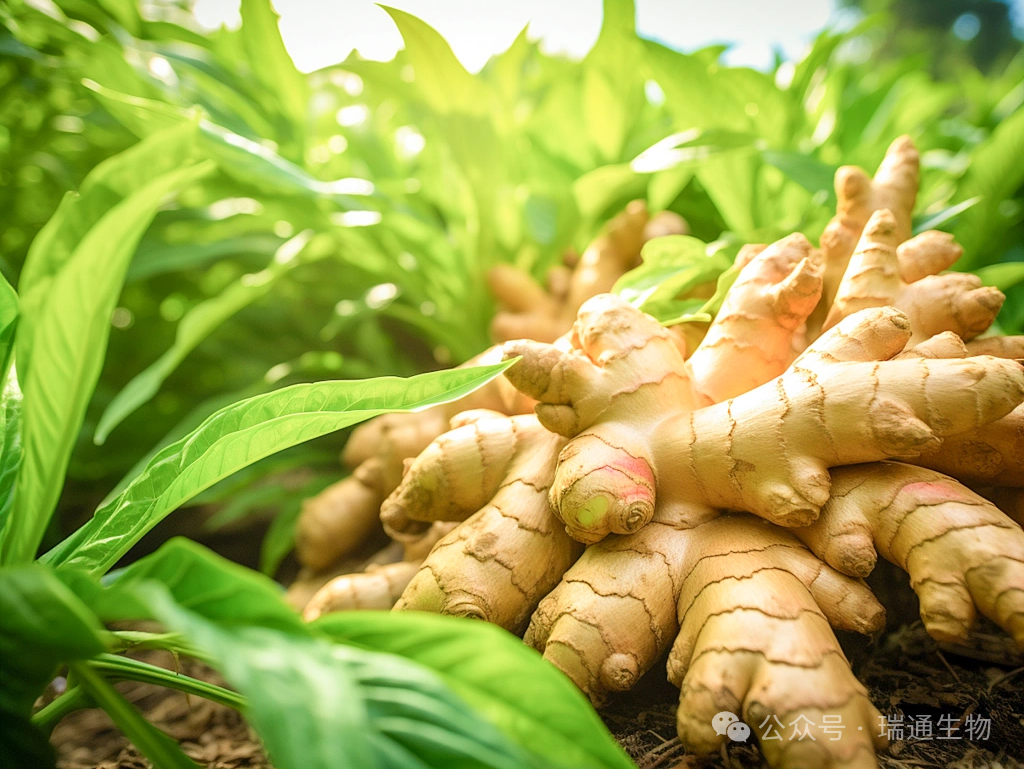
Ginger has comprehensive nutrient requirements, with varying patterns of nutrient uptake at different growth stages. The soil must meet the following nutrient content standards:
01 Macronutrient Requirements
Nitrogen: Only a small amount of nitrogen is needed at the seedling stage to promote seedling growth. During the vigorous growth stage, nitrogen demand increases sharply to support the development of stems, leaves and roots.The recommended soil available nitrogen content is 100–150 mg/kg. Insufficient nitrogen tends to cause stunted plants and yellowing leaves, while excessive nitrogen leads to excessive vegetative growth of stems and leaves and slow rhizome expansion.
Phosphorus: Promotes root growth and flower bud differentiation, especially critical at the seedling stage.Soil available phosphorus content should reach 15–25 mg/kg. Phosphorus deficiency delays seedling emergence and reduces stress resistance, while excessive phosphorus inhibits the absorption of zinc and iron.
Potassium: Ginger is highly potassium‑loving and has the greatest demand for potassium, which improves rhizome quality and enhances lodging resistance.The recommended soil available potassium content is 120–180 mg/kg. Potassium deficiency easily results in small and thin rhizomes, increased fiber content and reduced storage tolerance.
02 Requirements for Medium and Trace Elements
Calcium and Magnesium:Calcium enhances cell wall toughness, reduces rhizome cracking and rot; the suitable soil calcium content is 800–1200 mg/kg.Magnesium is the core component of chlorophyll and ensures photosynthesis; the soil available magnesium content should be 80–120 mg/kg.
Zinc, Boron and Iron:Zinc promotes ginger rhizome expansion; boron improves pollination and fruit setting rate; iron keeps leaves green.The suitable contents are: soil available zinc 1.5–3.0 mg/kg, available boron 0.5–1.2 mg/kg, and available iron 10–20 mg/kg.Deficiencies can be supplemented by foliar spraying or soil basal application.
03 Fertilization Principles
Give priority to organic fertilizers, supplemented by chemical fertilizers.Apply 3000–4000 kg of fully decomposed farmyard manure + 20–30 kg of biological bacterial fertilizer per mu, together with 50–60 kg of ternary compound fertilizer (15‑15‑15).Avoid single application of chemical fertilizers, which may cause soil compaction and salinization.
For continuous cropping fields, additional humic acid and microbial inoculants can be applied to improve soil microbial flora and increase nutrient utilization efficiency.
Soil-borne Disease Control: Building a Strong Safety Line
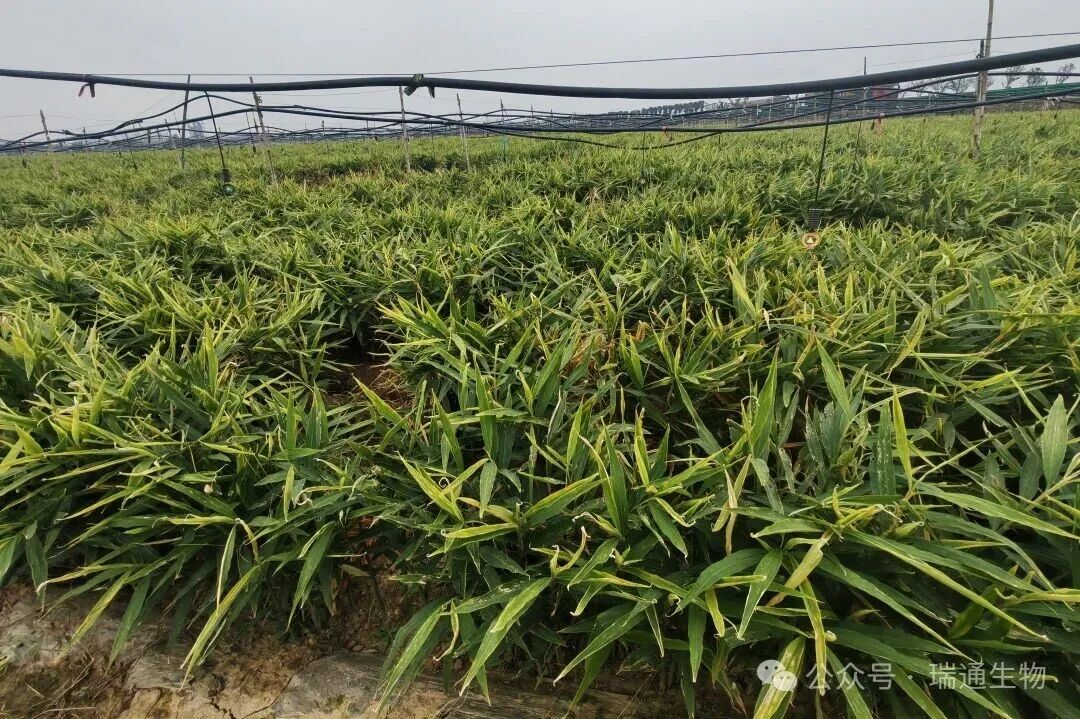
Soil-borne diseases pose a core threat to ginger cultivation. Pathogens such as Ralstonia solanacearum, Fusarium oxysporum, and Pythium spp. can easily cause bacterial wilt, soft rot of the neck, and root rot. Strict control standards for pathogen levels are required:
01 Safety Thresholds for Key Pathogens
Ralstonia solanacearum: Causal agent of ginger bacterial wilt. Soil content must be < 10³ CFU/g. Exceeding this threshold causes rapid wilting and plant death, with yield loss reaching 30%–50%.
Fusarium oxysporum: Causes stem base rot and root rot. The safe range is soil content < 10⁴ CFU/g. Excessive levels lead to root rot in seedlings and yellowing and defoliation in mature plants.
Pythium spp.: Results in seed and bud rot. Soil content should be < 10³ CFU/g. If exceeded before sowing, emergence rate is likely to drop below 50%.
02 Key Prevention and Control Measures
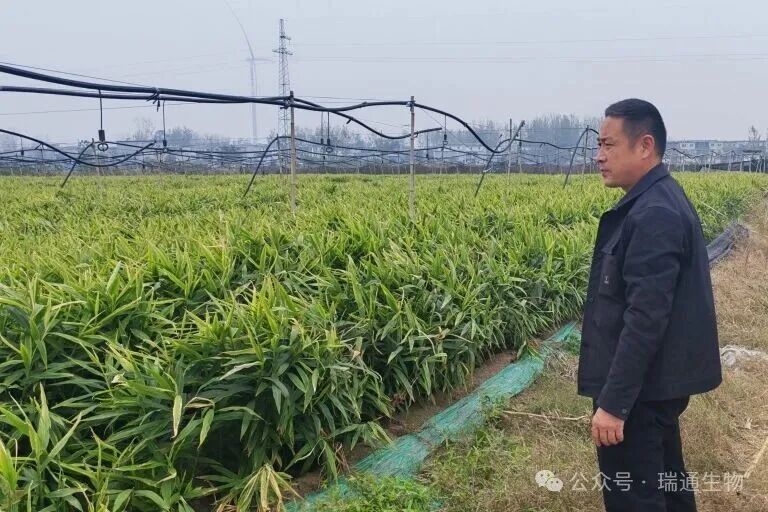
Prioritize Soil Testing 01
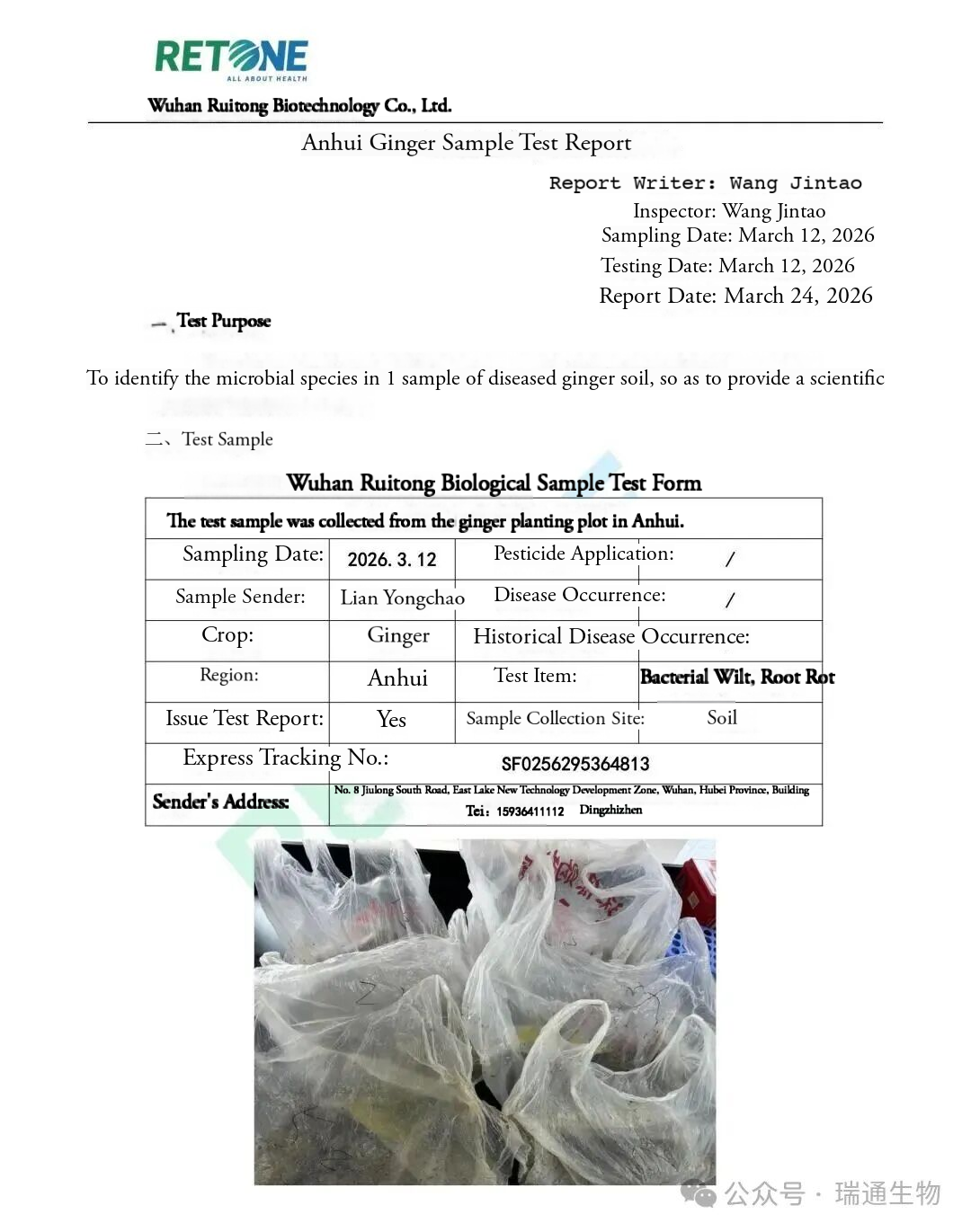
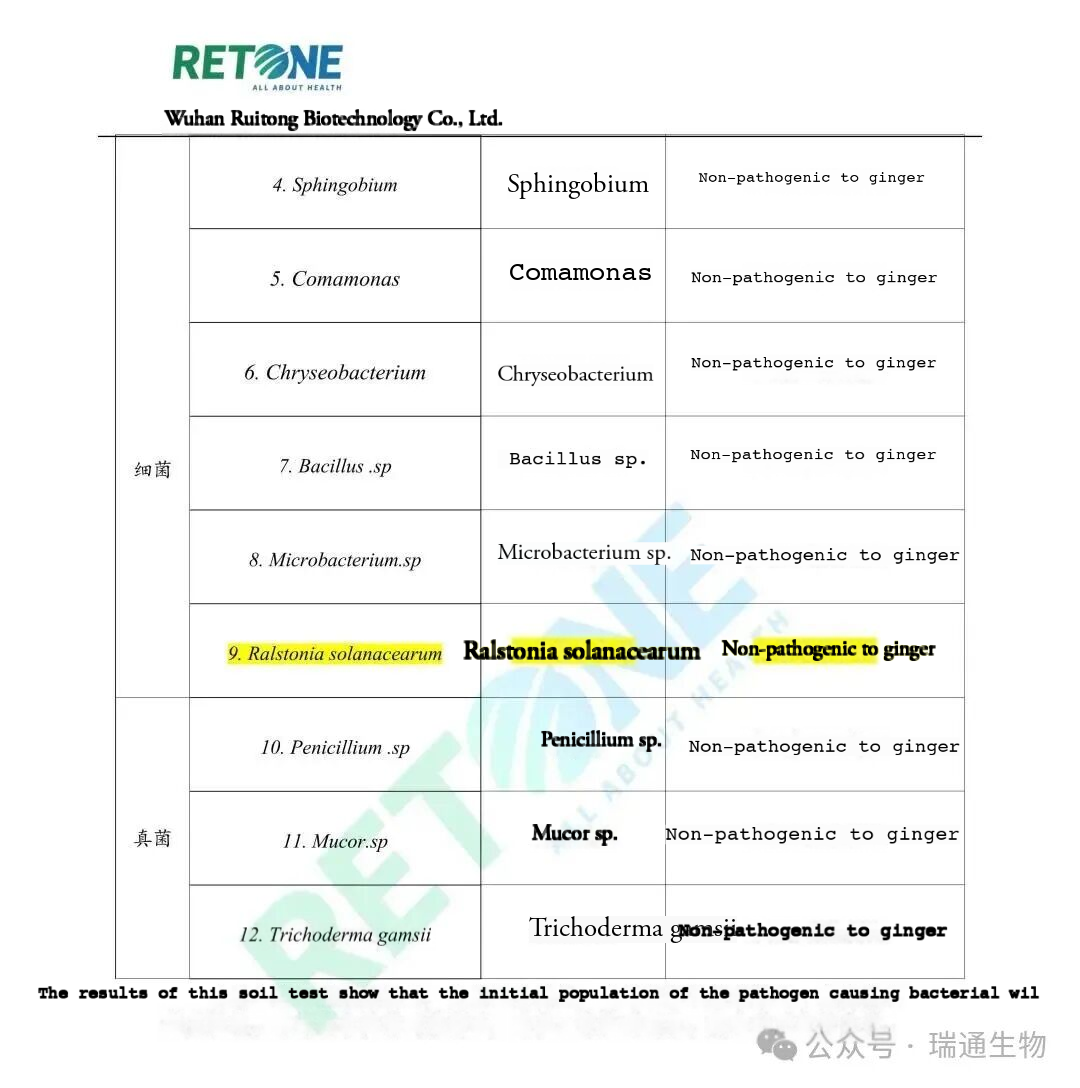
Seven to ten days before sowing, rhizosphere soil at a depth of 0–15 cm shall be collected using the S‑pattern or five‑point sampling method and sent to a professional institution (Ruitong Bio) for pathogen content testing, so as to formulate a precise prevention and control plan.
Basic Agricultural Control 02
Practice crop rotation with gramineous crops for 2–3 years to avoid soil microbial imbalance caused by continuous cropping. Deep plow the soil to 25–30 cm to bury surface pathogens into deep soil and utilize solar disinfection. Remove field weeds and diseased residues to reduce overwintering hosts of pathogens.
Physical and Chemical Control 03
For fields with slightly excessive pathogens: apply 50–80 kg of quicklime per mu and conduct greenhouse sealing for 7–10 days to suppress pathogen activity via alkaline environment.For moderately infested fields: mix 50% carbendazim wettable powder or 70% thiophanate‑methyl wettable powder with fine soil for broadcast application, combined with microbial agents (e.g. Bacillus subtilis) to compete for ecological niche against pathogens.For severely infested fields: suspend ginger planting and implement rotation with gramineous crops for soil improvement.
Long‑term Biological Control 04
During sowing and before ridging, apply Ruitong’s specialized phage programs: “Xiaofuning+” for root rot or “Xiaoqingning+” for bacterial wilt via furrow spraying on ginger.If early management is inadequate and diseases outbreak during the growing period, apply the corresponding phage program promptly based on diagnosis to minimize economic losses.This approach improves soil microecology, inhibits pathogen proliferation, and achieves efficient control through “using phages to suppress pathogenic bacteria”.
Key Points for Soil Improvement
01
For continuous cropping fields, priority should be given to addressing soil compaction, salinization and microbial imbalance. Apply 50–80 kg of humic acid fertilizer plus 30–40 kg of microbial fertilizer per mu; continuous application for 1–2 years can significantly improve soil conditions.
02
For acidic soils (pH < 6.0), broadcast 100–150 kg of plant ash or 40–60 kg of quicklime per mu to neutralize acidity. For alkaline soils (pH > 7.8), apply 20–30 kg of sulfur powder per mu to lower the pH value.
03
Regularly monitor soil nutrient levels and pathogen populations, and conduct topdressing according to the nutrient requirements of ginger at different growth stages, so as to avoid excessive nutrient accumulation and soil pollution caused by blind fertilization.
Soil is the “lifeblood” of ginger growth. Only by meeting the three core standards — suitable physical and chemical conditions, precise nutrient supply, and controllable pathogen levels — can ginger achieve uniform emergence, robust growth, high yield and good quality.Soil testing and improvement must be carried out thoroughly before planting to safeguard the full growth cycle of ginger.